How to measure for a circle skirt
A practical measuring guide for waist, finished length, seam allowance, and hem allowance before you draft a circle skirt.
 Circle Skirt Calc Team
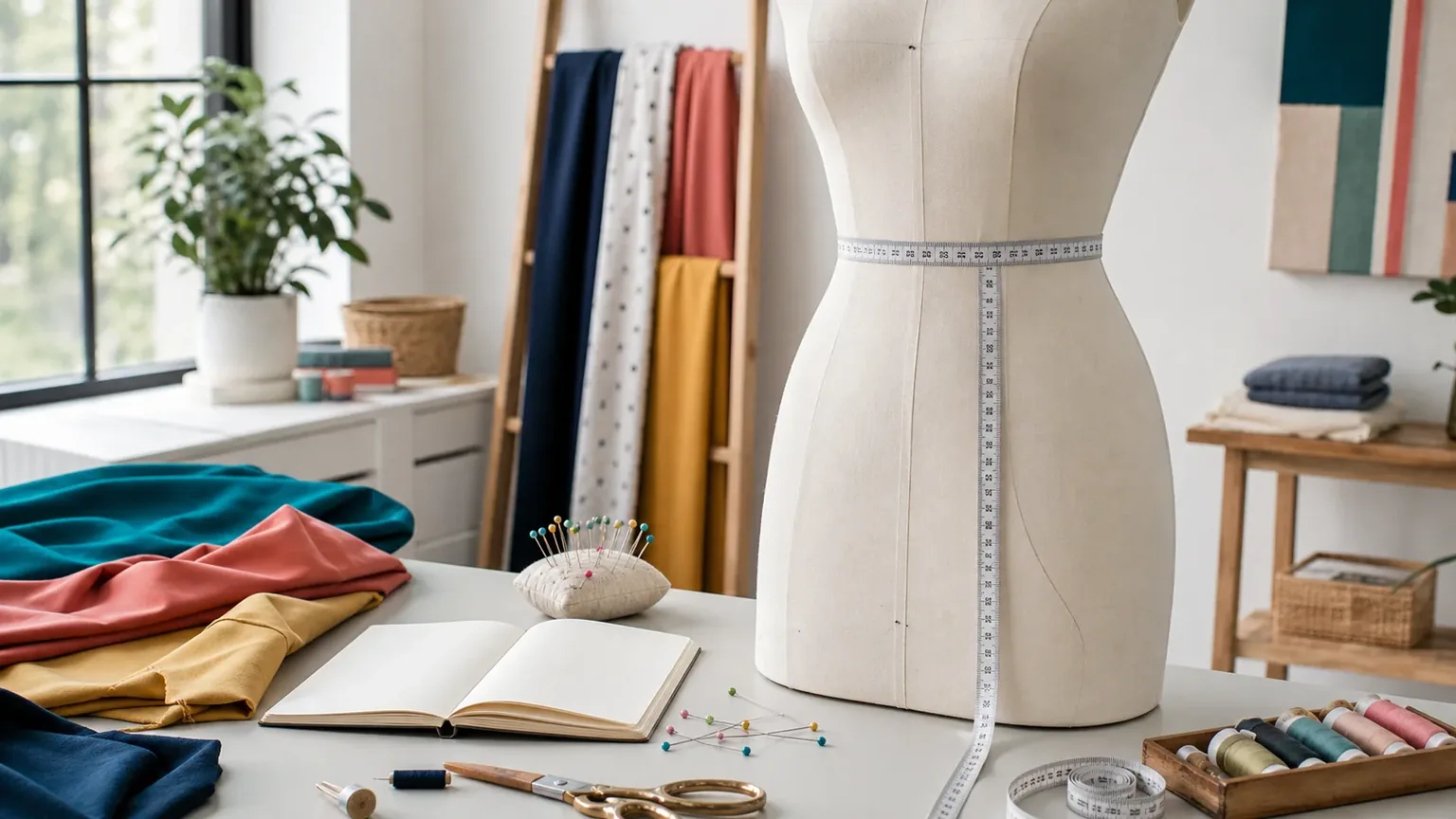
Use this measurement check inside the broader circle skirt pattern-making workflow. Then verify the waist radius math and choose between a straight or elastic waistband. When the numbers are settled, enter them in the circle skirt calculator to preview the draft.
Start with the finished waist
Measure the body or waistband where the skirt will sit. Keep the tape level and comfortable, then record the finished waist measurement before adding closure overlap or elastic decisions.
For fitted waistbands, measure over the exact undergarments or layers that will be worn with the skirt. For elastic waist skirts, measure both the natural waist and the widest point the skirt must pass over.
For a child, use the kids measurement checklist to check movement and wearing position with adult supervision instead of borrowing an age-chart size. For a larger opening or longer skirt, the plus-size drafting guide connects direct measurements to panel layout and waistband support.
Decide the finished skirt length
Skirt length is measured from the waistline to the finished hem. Stand straight, let the tape fall vertically, and check the length from the front and side.
Add hem allowance separately. A small rolled hem needs much less allowance than a wide turned hem, and heavy fabrics usually need a narrower, cleaner finish.
Keep allowances separate
Do not fold seam allowance into the body measurement. Draft from the finished waist and finished length first, then add seam allowance, hem allowance, waistband depth, and closure details.
This separation makes the preview easier to audit and helps you compare full, half, quarter, and three-quarter circle skirts without mixing construction choices into the geometry.